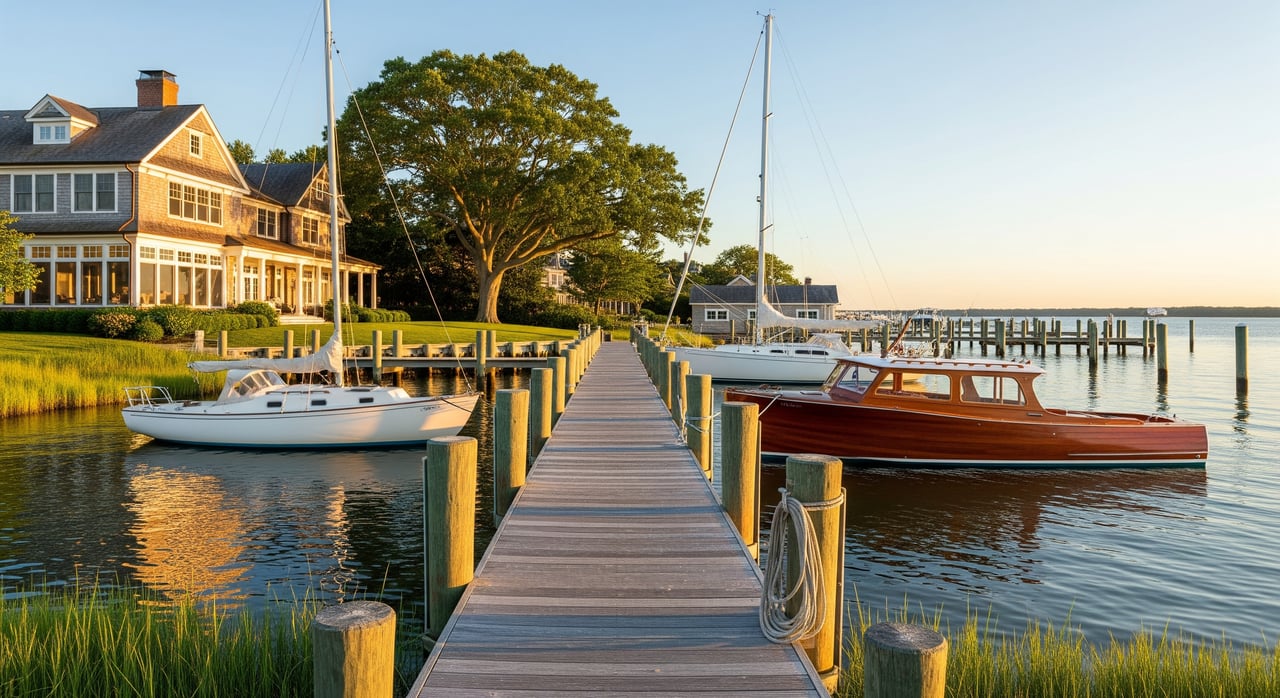
Love the idea of walking out your back door, loading the kids, and pushing off for a calm paddle or a quick cruise to dinner? If you’re moving to the Annapolis area, the right waterfront community can make boat life simple and safe for your family. Your choice of creek, river, or harbor shapes everything from daily kayaking to weekend Bay trips.
This guide breaks down the most family-friendly Annapolis waterfront micro-markets, what boaters like about each, and how to match your boat and routine to the best fit. You’ll also get a practical checklist for docks, slips, and permits so you can buy with confidence. Let’s dive in.
What “family-friendly waterfront” means
When you’re shopping for waterfront around Annapolis, use these factors to narrow your search.
- Physical access. Decide if you want a private dock, a community pier, a rented marina slip, or the ability to trailer. Protected creeks and coves are ideal for younger kids and small craft.
- Infrastructure and services. Look for nearby marinas with fuel, pump-out, haul-out, winter storage, and trusted repair. Junior programs at yacht and sailing clubs help kids build skills and confidence.
- Community fit. Check how easily you can reach parks, beaches, groceries, and activities. Review HOA rules on docks, boat lengths, lifts, and visible gear.
- Cost and upkeep. True deep-water frontage commands a premium. Budget for dock, bulkhead or riprap maintenance, and potential dredging assessments.
- Environmental and rules. Tides, currents, no‑wake zones, and local restrictions affect safety and access. Docks and shoreline work require county and state permits. Plan for insurance and storm prep as part of ownership.
Best waterfront communities for family boating
Below are Annapolis-area micro-markets families often consider. Each offers a different mix of protected water, marina access, and lifestyle.
Downtown Annapolis & Spa Creek
Boating access at a glance
- Immediate access to Spa Creek, the harbor, and quick runs to the Severn River and the Bay.
- Dense marina network with fuel and services within walking distance.
- City Dock and Ego Alley make boating part of daily life and year‑round events.
Family lifestyle
- Walkable to restaurants, parks, museums, and Naval Academy events.
- Short on-drive times for errands and activities.
Homes and price feel
- Historic townhouses, rowhouses, some waterfront single-family homes, and condos with marina access.
- Waterfront with deeded docks typically trades at the higher end due to convenience and location.
Best for families who want to be in the center of the maritime action and value a short, easy boat commute to everything.
Eastport (Annapolis Harbor’s east side)
Boating access at a glance
- Strong small-boat and family boating culture with multiple yacht clubs and community docks.
- Protected waters on Back Creek and Glebe Bay are great for kayaks, dinghies, and beginner sailors.
- Fast hop across the harbor to downtown by water.
Family lifestyle
- Neighborhood events, playgrounds, and a tight-knit maritime vibe.
- Walkable blocks with a mix of restaurants and services.
Homes and price feel
- Cottages and bungalows alongside newer infill homes; some older homes have docks.
- Mix of mid- to high-price waterfront; slip competition can be real, so plan ahead.
Best for families who want an everyday nautical routine, junior sailing nearby, and short, protected runs in small boats.
Severn River & Broadneck Peninsula (including Severna Park vicinity)
Boating access at a glance
- Long, protected stretches with many feeder creeks suitable for sailing, powerboating, and paddling.
- Marinas and repair facilities spaced along the river, accommodating a range of boat sizes.
Family lifestyle
- Suburban convenience with parks and community centers.
- Good highway access to I‑97 and Route 50 for regional commuters.
Homes and price feel
- Single-family neighborhoods, community piers, and notable waterfront estates.
- Pricing spans from more accessible off-water homes to high-end deep-water properties.
Best for families balancing commute needs with versatile river boating and a range of housing options.
South River, Edgewater, Annapolis Neck, and Deale
Boating access at a glance
- Many coves and protected anchorages ideal for family kayaking and short cruises.
- Edgewater and Deale offer quicker runs to open Bay waters while maintaining shelter in creeks.
- Watch water depths; some pockets are silty or tidal‑limited for deeper drafts.
Family lifestyle
- Suburban neighborhoods with access to parks and recreation.
- Easy access to small marinas and local service yards.
Homes and price feel
- Mix of mid-century cottages, newer waterfront builds, and communities with shared piers.
- Often more attainable than downtown for comparable water access, depending on depth and dock features.
Best for families who want protected waters at home, plus quick access to the Bay for day trips.
Annapolis Neck & Cape St. Claire area
Boating access at a glance
- Proximity to the Magothy River and protected coves, with community ramps and small marinas.
- Excellent for kayaks, small sailboats, and family powerboats; less direct to downtown by water.
Family lifestyle
- Residential communities with beaches, clubs, and local recreation.
- A steady rhythm of neighborhood events and water activities.
Homes and price feel
- Predominantly single-family homes and waterfront cottages.
- Moderate-to-upper pricing that flexes with water depth and dock potential.
Best for families focused on quiet, protected water time and community amenities over downtown proximity.
Outlying luxury enclaves
Boating access at a glance
- Exclusive, private settings with tight dock controls and highly protected slips.
- Quick access to the Bay for larger yachts.
Family lifestyle
- Club-style amenities and privacy-forward neighborhoods.
- Limited public access; services are often on-site or near-by.
Homes and price feel
- Custom estates and top-tier waterfront locations.
- Premium pricing well above area averages.
Best for families seeking privacy, managed boating, and luxury services.
Match your boat to the right creek
Use these profiles to narrow your search fast.
- Kayaks, SUPs, and dinghies. Favor protected coves and no‑wake zones. Eastport’s Back Creek, quieter Severn inlets, and South River coves offer calm water and easy put‑ins.
- Trailerable runabout or center console. Look for community ramps, nearby fuel, and short runs to open channels. South River and Edgewater neighborhoods provide flexibility for both creeks and Bay days.
- Family sailboat or small cruiser. You’ll want consistent depth, low‑stress channel access, and close marina services. Severn River and Eastport check those boxes, while downtown offers the ultimate convenience if slips are available.
- Larger cruiser or yacht. Prioritize deep-water frontage, established marinas with haul-out and certified mechanics, and sheltered berths. Downtown, Severn River corridors, and select luxury enclaves align well.
Pro tip: If you plan weekday work commutes, weigh road access to I‑97/Route 50 and consider whether a short boat ride to downtown might replace some car trips.
Marinas, ramps, and clubs to consider
You can keep a boat close without owning a private dock. Plan around these resources.
- Public launch ramps and parks. Sandy Point State Park is a major ramp with parking and Bay access. Quiet Waters Park offers kayak and canoe launches and family-friendly amenities. Check county and state listings for locations, fees, and seasonal hours.
- Marina and service network. The Annapolis area has many marinas with fuel docks, pump-out, haul-out, winter storage, and repair services. If you own a larger boat, confirm service capabilities before you buy.
- Yacht and sailing clubs. Junior sailing, safety courses, and family events help kids learn and keep everyone engaged. Many clubs have reciprocal benefits when you cruise.
Plan ahead for slip availability and waitlists, especially near downtown and Eastport.
Tides, permits, and insurance
Waterfront ownership comes with a few extra steps. Build these checks into your due diligence.
- Tide and depth. Annapolis is tidal with currents in main channels. Confirm depth at low tide, especially in creeks with silt, and note dredging history.
- Permits and shoreline work. Docks, bulkheads, lifts, and dredging typically require approvals from Anne Arundel County and state agencies. Permit timing and costs vary by site.
- Insurance and storms. Review flood zone status and elevation details early. Plan for storm-season mooring and dock prep as part of your annual routine.
A strong purchase offer includes clear answers on these items and any neighborhood rules that affect your boat.
Questions to ask before you buy
Use this quick checklist during tours and offer prep.
- Access and exposure. Is water protected enough for kids and small craft? How long is the run to open Bay waters?
- Slip or ramp plan. Will you use a private dock, community pier, or rented marina slip? Are there waitlists?
- Depth and draft. What is depth at mean low water at the dock or in the approach channel? Any no‑wake rules nearby?
- Infrastructure. Where are the nearest fuel dock, pump-out, and haul-out yard? Who are the local marine mechanics?
- Shoreline condition. When were dock, bulkhead, or riprap last serviced? Any past or planned dredging assessments?
- Rules and permits. What do HOA or community covenants allow for lifts, boat size, or exterior storage? Any open permits?
- Ownership costs. Estimated dock or marina fees, flood and wind insurance, and seasonal storage or shrink-wrap.
How we help relocating boaters
If you are on a PCS timeline or moving for work, you need a clear plan and fast, accurate information. Our team pairs military relocation expertise with neighborhood-level water knowledge so you can focus on fit and safety.
- Relocation-first buyer support. Remote video tours, VA and PCS guidance, and tight contract timelines keep your move on track.
- Boater-focused search. We match your vessel and routine to creeks and marinas that fit your depth, exposure, and service needs.
- Trusted vendor network. We coordinate surveys, dock inspections, insurance, and permitting steps so you can buy with confidence.
Ready to line up your home and your boat life? Reach out to The PCS Home Team to map your top neighborhoods and build a step-by-step plan.
FAQs
What makes a waterfront area safer for kids learning to boat?
- Protected creeks and coves with limited fetch and nearby no‑wake zones reduce chop and current, which helps kids build skills in kayaks, dinghies, and small sailboats.
Do I need a private dock to enjoy boating in Annapolis?
- No. Many families use community piers, marina slips, and public ramps or kayak launches. A private dock adds convenience but also maintenance and permitting responsibilities.
Where can I find kayak-friendly launches around Annapolis?
- Family-friendly launches are common at local parks and community facilities. Quiet Waters Park and several neighborhood ramps offer easy put‑ins. Confirm location hours and rules before you go.
How hard is it to get a slip near downtown?
- Transient slips are common, but long-term contracts can be limited and may have waitlists. Many downtown buyers prioritize properties with deeded slips or secure marina agreements.
What extra costs should I budget for waterfront ownership?
- Plan for dock or bulkhead upkeep, potential dredging assessments, marina slip fees if renting, flood and wind insurance, and seasonal storage or shrink-wrap.
Can I commute to DC or Baltimore and still keep a boat in Annapolis?
- Yes. Many residents commute via I‑97 and Route 50 while keeping boats close to home. Choose a neighborhood that balances road access with the water access you want for weekends.