If you work near the water, where you live can shape your whole routine. A five-minute difference on paper can feel much bigger when you factor in parking, walkability, trail access, or how often you actually want to be on the water after work. If you are deciding between Arnold and Annapolis, this guide will help you compare commute patterns, housing feel, and waterfront access so you can choose the better fit for your day-to-day life. Let’s dive in.
Arnold vs. Annapolis at a Glance
Arnold and Annapolis are close geographically, but they offer very different living environments. According to the U.S. Census QuickFacts data for Arnold and Annapolis, Arnold had 24,064 residents in 2020 and a population density of 2,224.2 people per square mile, while Annapolis had 40,812 residents and a density of 5,663.6 people per square mile.
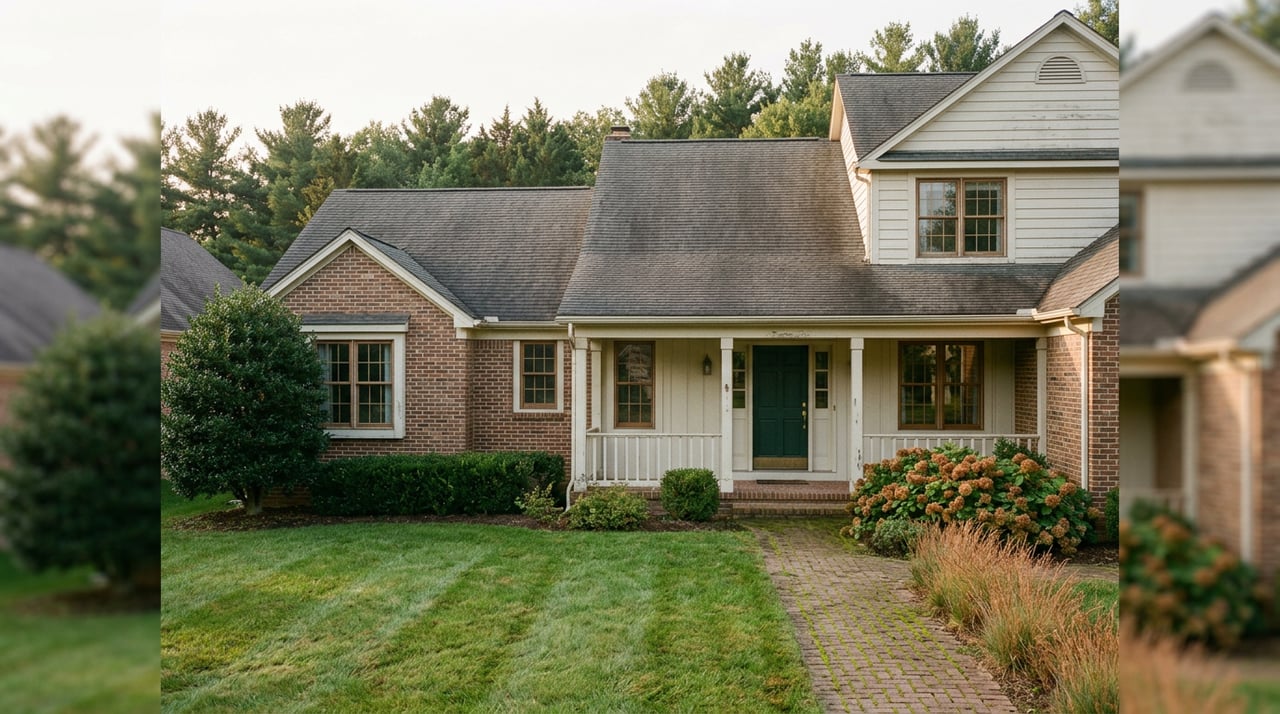
In practical terms, that means Annapolis feels more compact and city-like, while Arnold tends to feel more residential and spread out. If your goal is to live in a quieter owner-heavy area, Arnold may stand out. If you want to be closer to a more active harbor setting with a denser built environment, Annapolis may be the better match.
Commute Style Matters
If you work in or near downtown Annapolis, the Naval Academy area, or state government offices, Annapolis is the more direct hub. Maryland identifies Annapolis as the state capital, and the local waterfront and government presence shape the city’s daily flow.
Arnold, by contrast, is more suburban in form. Anne Arundel County’s Region 4 planning materials describe Arnold Village Center as a corridor along MD 2 with single-family homes, shopping centers, stand-alone businesses, dining, and community services.
That setup points to a more car-based routine for many residents, even though there are some alternatives for local trips. The same county planning document notes a bus stop on the county Gold Route Extension, nearby access to the B&A Trail, and challenges crossing Ritchie Highway to reach the trail.
Comparing Daily Travel Feel
The census data shows a mean commute time of 28.1 minutes in Arnold and 29.5 minutes in Annapolis, according to the same QuickFacts source. Those numbers are close, so the bigger difference is often how the commute feels rather than the raw time.
In Arnold, your commute is more likely to start from a suburban road network and involve driving to work, errands, or recreation. In Annapolis, you may be closer to work and waterfront destinations, but you are also more likely to deal with a denser street network, tighter parking conditions, and more urban traffic patterns.
The city’s Eastport Transportation Study describes one-way street segments, high curbside parking demand, and recommendations for bus, bike, and pedestrian improvements. That gives you a good sense of Annapolis as a more multimodal but also more parking-sensitive environment.
Housing Feel and Ownership Patterns
One of the clearest differences between Arnold and Annapolis is the ownership profile. The Census QuickFacts data shows Arnold with an 86.5% owner-occupied housing rate, compared with 62.0% in Annapolis.
That suggests Arnold is more ownership-oriented overall, while Annapolis has a larger rental presence and more turnover. For you as a buyer, this can affect the feel of the market, the type of housing you see most often, and the pace of neighborhood change.
Home values are also fairly close. Census figures show a median owner value of $564,200 in Arnold and $548,900 in Annapolis, while median gross rent is $2,158 in Arnold and $1,860 in Annapolis.
Arnold for a Residential Base
Arnold may be the better fit if you want a home base that feels more suburban and yard-oriented. County planning language for Arnold specifically highlights single-family homes and describes an area supported by multimodal transportation but still shaped by crossing limitations and sidewalk quality in some places.
Anne Arundel County’s District 5 overview also describes the Broadneck peninsula as an area with distinctive village areas and a strong waterfront community along the Severn and Magothy Rivers. That supports Arnold’s identity as a residential waterfront-oriented area rather than a dense city center.
If you like the idea of coming home to a quieter setting after working near the harbor, Arnold offers that contrast. It can be especially appealing if your priority is space, a more ownership-heavy environment, and access to local outdoor amenities.
Annapolis for Harbor-Centered Living
Annapolis may be the stronger fit if you want your home life to feel closely tied to the city’s maritime setting. The city’s 2040 Comprehensive Plan emphasizes walkable mixed-use development while protecting neighborhood character, and the waterfront remains central to how the city functions.
The city is built around a working and recreational harbor environment. Anne Arundel County’s Severn River materials describe Annapolis as a center of recreational boating activity, with marinas and boatyards lining Spa and Back Creeks and the U.S. Naval Academy occupying more than two miles of waterfront.
If you want to be in the middle of that boating, harbor, and civic energy, Annapolis delivers a very different experience than Arnold. You may trade some extra space and ease of parking for closer access to marinas, docks, and the city waterfront.
Water Access Differences
If being near the water is a major reason for your move, it helps to look beyond the word “waterfront.” Anne Arundel County notes that it has 533 miles of tidal shoreline and a wide range of public water access options, including boat ramps, fishing access, cartop launches, rentals, and swimming.
Arnold leans more toward park and trail access tied to the Broadneck area. Annapolis leans more toward active harbor infrastructure, marinas, and docking.
That difference matters because two buyers can both say they want to be “near the water” and mean completely different things. One may want weekend launches, trails, and beach access. Another may want to keep a boat nearby or spend free time around a working harbor.
Arnold’s Trail and Park Advantage
Arnold has strong ties to the Broadneck outdoor network. Anne Arundel County says the Broadneck Peninsula Trail is being built in Arnold and is planned to connect the B&A Trail to Sandy Point State Park.
That planned connection is a meaningful lifestyle feature if you enjoy biking, walking, or local recreation close to home. It supports the idea of Arnold as a place where your outdoor routine may revolve around trails and parks as much as direct boating access.
Nearby Sandy Point State Park also offers a boat launch, marina, beach, hiking trail, swimming, and windsurfing. The state currently requires day-use reservations on weekends and holidays from Memorial Day weekend through Labor Day, which is useful to know if you expect to visit often in peak season.
Annapolis’ Boating Infrastructure
Annapolis is the more developed boating city. The city’s anchorages information shows legal anchorages in the Severn River, Weems Creek, Spa Creek, and Back Creek, along with transient and charter docking at City Dock.
At the same time, you should know that the city’s Harbormaster information, referenced through county waterfront materials, notes that the City Dock Resiliency project is underway through early 2028. During that period, many slips are closed or services are suspended.
That does not erase Annapolis’ waterfront appeal, but it does add an important detail if docking access is part of your housing search. If boating is central to your lifestyle, current marina and dock conditions may be worth reviewing as you narrow your options.
Questions to Ask Before You Choose
If you are deciding between Arnold and Annapolis, ask yourself these practical questions:
- Is your work primarily in downtown Annapolis, around state government, or near the Naval Academy?
- Do you want your free time to center more on trails and parks or on marinas and harbor activity?
- Would you rather live in a more owner-heavy suburban setting or a denser mixed-use city environment?
- Are you considering true waterfront property, where site rules may affect future plans?
If you are looking at waterfront or near-water property in Anne Arundel County, the county’s Critical Area rules are also important. The county defines a 100-foot buffer landward of tidal waters, streams, and tidal wetlands, which can affect what is allowed on a property.
Which One Fits Your Lifestyle?
Arnold is often the better fit if you want a quieter residential base, a more ownership-oriented market, and access to trails, parks, and the Broadneck waterfront setting. Annapolis is often the better fit if you want to be closer to government, the Naval Academy area, marinas, and a more active harbor-centered environment.
Neither choice is automatically better. The right answer depends on how you work, how you commute, and what “living near the water” really means for you.
If you are weighing Arnold against Annapolis, The PCS Home Team can help you compare neighborhoods, commute patterns, and housing options with a clear plan that fits your move. Whether you are relocating on a military timeline or simply want a smoother local search, we’re here to make moving easier.
FAQs
Is Arnold or Annapolis better if you work in downtown Annapolis?
- Annapolis is typically the more direct choice if your work is centered in downtown Annapolis, state government, or near the Naval Academy.
Is Arnold or Annapolis better for trail access near the water?
- Arnold stands out for trail and park access, including the Broadneck Peninsula Trail connection and access to Sandy Point State Park.
Is Arnold or Annapolis better for boating access?
- Annapolis is the more developed boating city, with marinas, anchorages, and docking infrastructure tied to its harbor and creek system.
Is Arnold or Annapolis more suburban for homebuyers?
- Arnold is generally the more suburban and owner-heavy option, while Annapolis is denser and more mixed-use.
What should buyers know about waterfront property rules in Anne Arundel County?
- Buyers considering waterfront property should review Anne Arundel County Critical Area rules, including the 100-foot buffer tied to tidal waters, streams, and tidal wetlands.